



The Nigerian Safety Investigation Bureau (NSIB), has moved to strengthen its role in regional aviation safety through a new agreement with Sierra Leone Aircraft Accident and Incident Investigation Bureau (SL-AAIB), aimed at building a more coordinated and effective investigation framework across borders.
The agreement was signed at the NSIB headquarters in Abuja and witnessed by members of the management teams of both institutions.
At the core of the MoU is a structured framework for collaboration, enabling both organisations to conduct joint investigations, exchange expertise, and support each other in improving aviation safety outcomes across their jurisdictions.
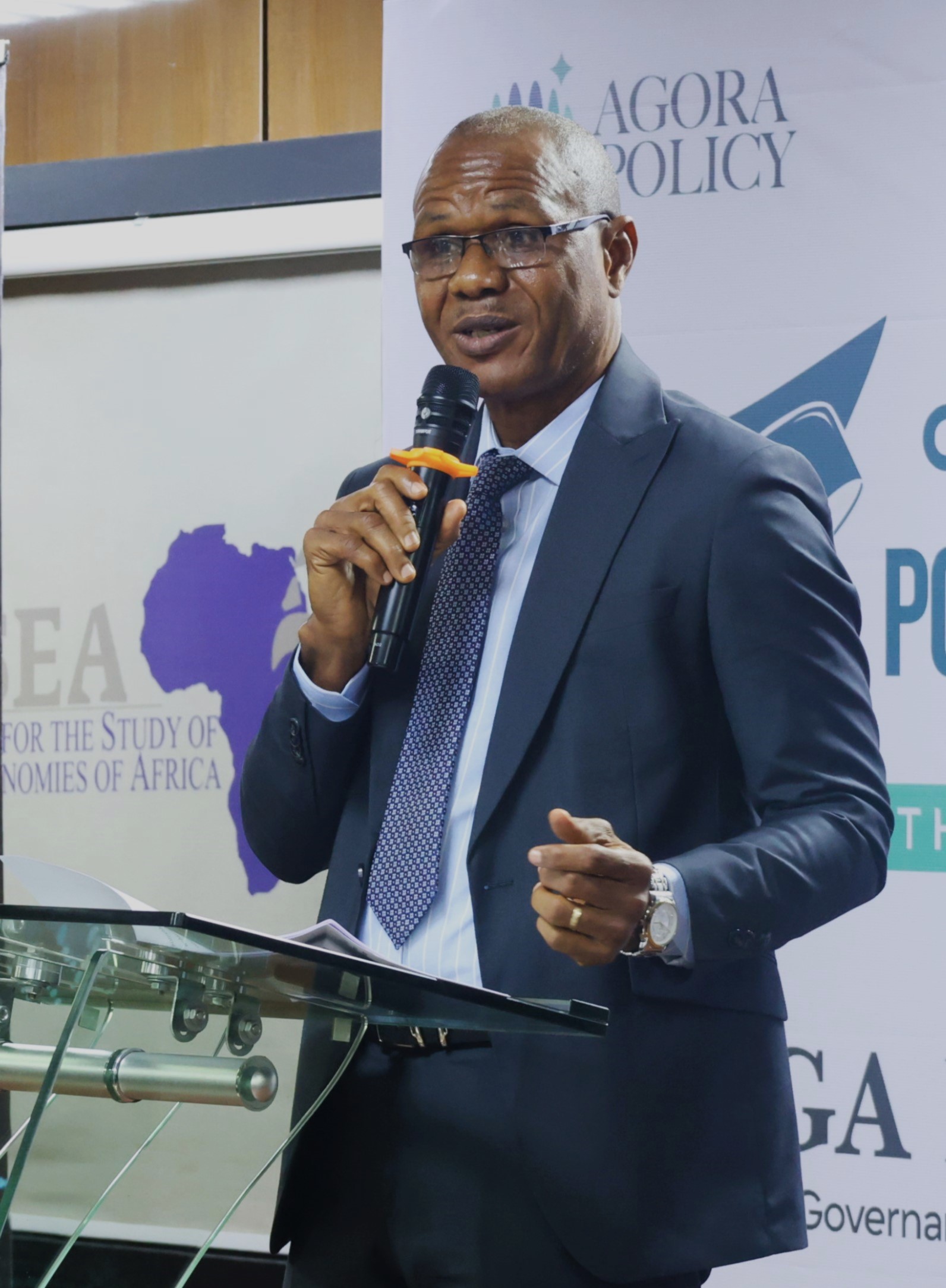
Director general of the Nigerian Safety Investigation Bureau, Captain Alex Badeh Jr, who spoke at the event, said the partnership reflects a shared commitment to strengthening investigative capacity and improving safety across the region.
According to him, “This partnership reflects our collective commitment to maintaining high standards in aviation safety investigation across West Africa. It creates a clear pathway for deeper cooperation between Nigeria and Sierra Leone, strengthening the systems of both institutions. When investigators share knowledge, tools, and experience, response time improves, findings become more precise, and the focus remains on preventing future occurrences. That is what this partnership is designed to achieve.”
Captain Badeh added that the agreement reinforces both organisations’ commitment to upholding the International Civil Aviation Organization (ICAO) Standards and Recommended Practices (SARPs) contained in Annex 13 of the Chicago Convention on International Civil Aviation.
Commissioner of the Sierra Leone Aircraft Accident and Incident Investigation Bureau, Engr. Olubunmi Wellington, described the agreement as a significant step toward strengthening investigative systems across the region.
He said, “This partnership presents a strong opportunity for SL-AAIIB and the wider West African aviation community to build more effective investigative systems through structured collaboration. Through our engagement with NSIB, our investigators will gain access to advanced training, improved investigative methods, and the shared experience of a leading safety investigation authority in the region.”
Both organisations reaffirmed their commitment to the principle set out in Annex 13 of the Chicago Convention that the primary objective of aircraft accident and incident investigation is the prevention of future occurrences, not the apportionment of blame or determination of liability.
The MoU also reflects the shared commitment of Accident Investigation Authorities within the Banjul Accord Group (BAG) to support one another in air accident investigation activities. As members of this regional body, both NSIB and SL-AAIIB continue to strengthen cooperation aimed at improving aviation safety across West Africa.
Under its provisions, the parties will engage in training programmes, secondment of investigators, and the sharing of safety data and technical knowledge.